


Truck Cap Replacement Parts – Official ARE Parts & Accessories
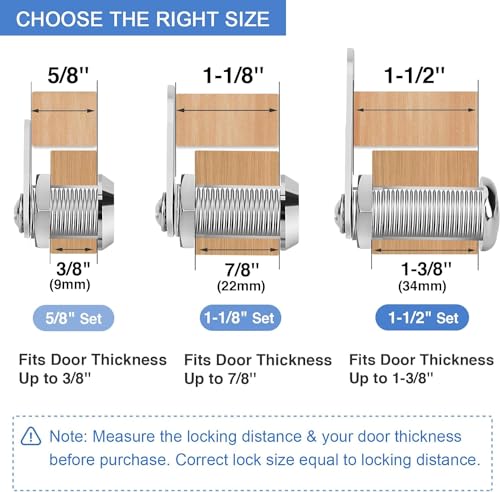
Factory lock cylinders and key sets for ARE truck caps restore security when keys are lost or cylinders wear out. Each lock assembly is machined to the same tolerances as your original hardware, with corrosion-resistant finishes that stand up to rain, snow, and road salt. Lock sets include matching cylinders for side doors and rear access points, ensuring you carry one key for your entire cap.
We manufacture these lock assemblies in-house, using the same tooling and materials as new production caps. Every cylinder ships with two keys and installation instructions specific to your cap model. The latch mechanism engages cleanly without binding, and the tumbler design resists freeze-up in cold climates.
Why choose genuine ARE parts
Materials & Construction Standards
Every component in our parts catalog meets the same material specifications and dimensional tolerances as original equipment installed during cap production. Lock cylinders use zinc-plated steel bodies with brass tumblers, machined on the same CNC equipment that produces new-cap hardware. Weather seals carry the same EPDM rubber formulation—not generic substitutes—with Shore A hardness matched to original compression requirements.
Hinge assemblies use Type 304 stainless steel, not lower-grade alloys prone to pitting in marine or road-salt environments. Gas struts are pressurized to OEM force specifications, verified on the same test fixtures used for quality control in cap manufacturing. This consistency ensures bolt-in fitment and long-term performance matching your cap’s original service life.
Compatibility & Fitment Verification
Our truck cap replacement parts catalog covers ARE models produced from 2008 forward, including CX, MX, DCU, TW, and Z-Series caps. Each product listing specifies compatible model years and truck bed lengths. For caps manufactured before 2008, contact our parts department with your cap’s serial number—we maintain tooling for legacy components and can often source parts for discontinued models.
Fitment differences between cap series typically involve mounting-hole spacing and latch-placement geometry. The same lock cylinder fits multiple cap models, but hinge assemblies differ between side-access and rear-access configurations. Our online parts diagrams show exact placement for every component, and our parts specialists can cross-reference your truck’s make, model, and bed length to confirm compatibility before ordering.
Installation & Torque Specifications
Most truck cap replacement parts install with basic hand tools—ratchet sets, screwdrivers, and hex keys cover 95% of installations. Lock cylinders thread into existing holes with no drilling required; apply a small amount of thread-locking compound to prevent loosening from vibration. Weather seals bond to the bed rail flange with automotive-grade adhesive strips; clean the mounting surface with isopropyl alcohol before applying the seal to ensure proper adhesion.
Gas struts mount with 10mm ball-socket brackets torqued to 15 ft-lbs—over-tightening crushes the ball socket and causes premature wear. Hinge assemblies use M6 stainless bolts torqued to 8 ft-lbs, with a thread-locking patch pre-applied to the mounting hardware. Every parts kit ships with a printed instruction sheet showing torque values, tightening sequences, and any model-specific notes.
Original Parts for Every ARE Cap Model


Rated 4.8 by verified buyers


Common Questions About ARE Replacement Components
Our parts catalog covers ARE models from 2008 to present, including CX, MX, DCU, TW, and Z-Series caps. Each product page lists compatible model years and bed lengths. For older caps or if you're unsure about fitment, contact our parts department with your cap's serial number—we can cross-reference the exact components you need and verify compatibility before you order.
Inspect seals every six months for cracking along the bulb edge, permanent compression that doesn't rebound, or visible gaps when the cap is installed. If you notice water intrusion after washing your truck, or if you hear wind noise at highway speeds, the seal has likely degraded. EPDM rubber seals typically last 5-7 years before UV exposure and temperature cycling require replacement.
Most truck cap replacement parts install with basic hand tools and require no special skills. Lock cylinders, weather seals, window latches, and gas struts typically take 15-45 minutes to install following the included instructions. Hinge assemblies may require a second person to support the door during installation. Each kit ships with detailed diagrams, torque specifications, and any model-specific installation notes.
Genuine ARE parts match the exact material specifications, dimensional tolerances, and finish quality of original equipment. Our lock cylinders use the same tumbler design and key patterns, ensuring smooth operation. Weather seals use identical EPDM formulations rather than generic substitutes that may not compress correctly. Hinges and gas struts are manufactured on the same tooling as production components, guaranteeing bolt-in fitment without modifications.
Gas struts are rated to 30,000-50,000 open/close cycles under normal use. In typical truck cap applications, this translates to 5-8 years of service life. Struts lose 2-3% of their nitrogen charge annually, so you'll notice gradual decline rather than sudden failure. When your door no longer stays open past 45 degrees, or if you need to prop it open, the struts have reached end of service life and should be replaced in pairs.
We maintain tooling and inventory for many legacy components going back to the early 2000s. While not all parts appear in the online catalog, our parts specialists can often source components for discontinued models. Contact our parts department with your cap's serial number and a description of the part you need. We'll verify availability and provide pricing and lead time for older assemblies.
Lubricate lock cylinders and hinge pins annually with white lithium grease or graphite powder. Avoid WD-40 or penetrating oils, which attract dust and create gummy buildup over time. Clean hinge barrels with a wire brush if you notice binding, then apply fresh grease. For locks, insert the key and work the cylinder several times after applying graphite to distribute lubricant across the tumblers. This simple maintenance extends service life and prevents premature wear.