
Fiberglass Camper Shell | ARE Truck Caps
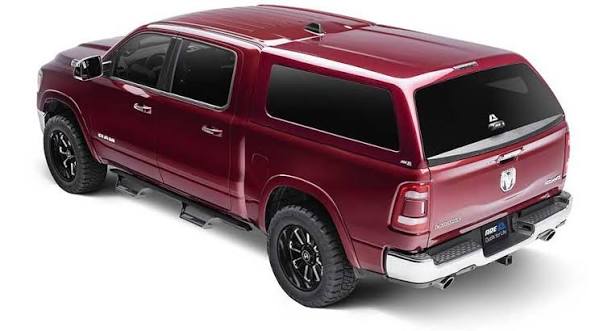
Our fiberglass camper shell transforms your truck bed into a secure, weather-sealed cargo area without adding excessive weight. We engineer every shell with a reinforced composite structure that resists dents and scratches while maintaining the sleek profile your truck deserves.
Each unit ships with a factory-matched gelcoat finish available in OEM colors, so the shell integrates seamlessly with your vehicle's body lines. Three-point locking systems and frameless side glass give you security and visibility, whether you're hauling tools to the job site or gear for a weekend trip.
Built for your truck
Fiberglass composite construction
We mold our fiberglass camper shell from layered composite resin that delivers superior strength-to-weight ratios compared to aluminum or steel alternatives. The manufacturing process bonds multiple fiberglass layers with a structural core, creating a shell that flexes slightly to absorb road vibration without cracking.
This construction method allows us to shape integrated roof contours and mounting channels directly into the shell body, eliminating the need for external brackets that can corrode or loosen over time. The gelcoat outer layer provides UV resistance and color stability, so your shell maintains its factory appearance for years without repainting.
Factory paint matching and finish options
Every fiberglass shell leaves our facility with a gelcoat finish formulated to match your truck’s OEM paint code. We maintain a library of current and legacy truck colors from Ford, Chevrolet, GMC, Ram, Toyota, and Nissan, ensuring accurate color alignment from factory to aftermarket.
The gelcoat application happens during the molding process, so the color is integral to the shell’s surface rather than applied as a topcoat. This means minor scratches often buff out without exposing bare fiberglass underneath. For custom builds, we offer textured finishes and matte options that coordinate with bed liners and trim packages.
Glass options and visibility
Standard frameless glass
Our standard configuration includes frameless tempered glass on both side windows, bonded directly to the fiberglass shell for a clean, modern look. The frameless design eliminates metal channels that can trap dirt and moisture, while the dark tint reduces interior heat buildup and protects cargo from UV exposure.
Sliding and lift-up windows
We offer sliding side windows for ventilation without sacrificing security—the track system locks at multiple points along its travel path. Lift-up windows with prop rods provide full-opening access, ideal for passing longer items through the side of the shell or creating cross-ventilation during camping trips.

More camper shell options from ARE
Rated 4.8 by verified buyers
Common questions about fiberglass camper shells
Most full-size truck fiberglass shells weigh between 150 and 200 pounds depending on bed length and glass options. This is approximately 40-50% lighter than comparable aluminum shells, which helps preserve your truck's payload capacity and fuel economy.
The weight difference becomes especially noticeable if you remove the shell seasonally—fiberglass units are manageable for two people to lift on and off without equipment, while heavier materials often require mechanical assistance.
Our reinforced composite fiberglass remains flexible across temperature extremes from -40°F to 150°F without cracking. The resin formulation we use maintains its structural integrity in freezing conditions, unlike some cheaper fiberglass products that become brittle.
The shell's slight flex actually helps it absorb impacts from road debris and minor collisions that might dent rigid aluminum shells. We've tested units in Canadian winter conditions and desert summer heat with no structural failures.
Yes, our fiberglass shells include integrated mounting points molded into the roof structure specifically for aftermarket rack systems. These reinforced attachment points distribute load across the shell's frame rather than concentrating stress on the outer gelcoat surface.
Most roof rack manufacturers offer drill-free mounting kits that bolt directly to these factory provisions. We recommend limiting roof loads to 150-200 pounds for dynamic travel weight, though static capacity when parked is higher.
Minor surface scratches often buff out with automotive rubbing compound and a microfiber applicator pad. For deeper scratches that penetrate the gelcoat layer, we offer color-matched gelcoat repair kits that include resin, hardener, and application tools.
The repair process involves cleaning the damaged area, applying mixed gelcoat to fill the scratch, allowing it to cure, then wet-sanding and polishing to blend with the surrounding finish. Most repairs are invisible once complete because the gelcoat color is consistent throughout the material rather than just a surface coating.
We recommend washing the shell with automotive soap and water every few weeks to prevent dirt buildup in the weather stripping channels. Apply a coat of automotive wax twice per year to protect the gelcoat from UV exposure and maintain its gloss.
Check the weather stripping annually for compression wear and replace it if you notice water intrusion or excessive wind noise. The locking mechanisms benefit from a drop of graphite lubricant once per year to keep the cylinders operating smoothly.
Yes, our mounting system accommodates bed liners up to half an inch thick using included spacer shims. The shims raise the shell's clamp position to maintain proper contact with the bed rails while clearing the liner's textured surface.
Install the bed liner first, then mount the shell with appropriate shim height. The weather stripping will compress against the liner's edge to maintain a weathertight seal. Some customers prefer to mask the bed rail tops before liner application to preserve a smooth mounting surface.
Fiberglass offers superior corrosion resistance since it contains no metal to oxidize—important in coastal climates or areas where roads are salted in winter. The composite structure won't dent from hail or parking lot impacts that would permanently damage aluminum panels.
Aluminum shells may develop stress cracks at riveted joints over time, while fiberglass shells maintain structural integrity because the material is molded as a single continuous piece. The gelcoat finish on fiberglass also retains color better than painted aluminum, which can fade or chalk after years of UV exposure.