ARE CX Classic vs LEER 100XQ: Which Cap Fits Your Truck?
Choosing between the ARE CX Classic and the LEER 100XQ isn’t about picking a winner—it’s about understanding which cap matches how you actually use your truck. Both models sit at the top of their respective lineups, both offer painted-to-match finishes, and both promise years of service. The differences show up in latch design, window configuration, and the small details that matter when you’re opening the cap in a parking lot or loading gear in the rain.
This truck cap comparison walks through fit, security, weather sealing, and everyday usability so you can make the call that works for your truck and your routine.
Fit and Finish: How Each Cap Mounts to Your Bed
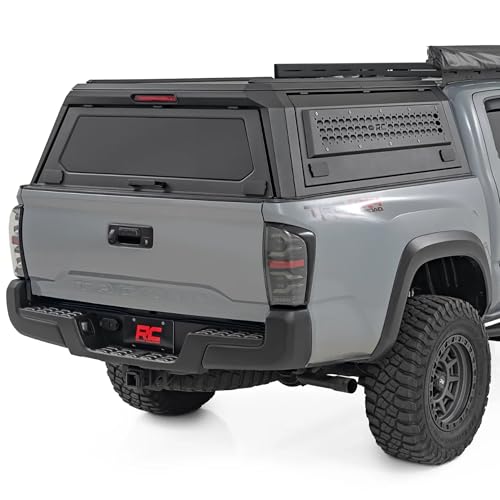
The CX Classic uses ARE’s wraparound design with a continuous seal that sits flush against the bed rail. The cap clamps directly to the rail without a separate track, which keeps the profile low and reduces the number of parts that can work loose over time. Paint-matched finishes are standard, and the fiberglass shell carries a limited lifetime warranty against cracking or delamination.
The LEER 100XQ mounts with an aluminum base rail that bolts through the bed and distributes load across multiple points. This rail system makes installation more involved but also makes removal cleaner if you swap caps seasonally. Both caps fit full-size and mid-size trucks, and both offer model-specific fitments for platforms like the Tacoma where bed dimensions vary by generation. If your truck sees off-road use or frequent vibration, the rail-mount approach can reduce stress on the cap itself by anchoring it more rigidly to the bed.
Latch Hardware and Daily Access
Rotary vs Push-Button Latches
The CX Classic ships with ARE’s rotary paddle latch at the rear door. You turn the handle ninety degrees to release, and the mechanism is steel-reinforced at the striker plate. The latch sits recessed into the door frame, which keeps it out of the weather and reduces the chance of accidental release if something brushes against it.
The 100XQ uses LEER’s push-button latch, which requires you to press a button and lift the handle in one motion. Some users find this faster in a parking lot; others prefer the positive feedback of a rotary turn. Both systems lock with the same key as your truck if you order the cap keyed-alike from the dealer. If a latch component ever wears out, replacement striker plates and handles are stocked as individual parts rather than requiring a full assembly swap.
Window Options and Ventilation
Both caps offer sliding side windows as standard, but the configurations differ. The CX Classic’s side sliders are frameless and sit nearly flush with the shell when closed, which reduces wind noise at highway speed. The rear window is a lift-up unit with gas struts, giving you full-height access to the bed without removing the cap.
The 100XQ’s side windows use a framed slider design with a thicker aluminum channel. This adds a small amount of visual bulk but also makes the window easier to replace if the glass ever cracks—the frame unbolts as a single unit. The rear window on the 100XQ is also a lift-up with struts, and both models can be upgraded to privacy tint or power sliders at the time of order. Ventilation is comparable between the two; neither cap includes factory vents in the base trim, but both accept aftermarket roof vents and interior LED lighting kits if you want to improve airflow or visibility inside the bed.

Weather Sealing and Long-Term Durability
The CX Classic’s wraparound seal is a single continuous EPDM rubber extrusion that compresses against the bed rail when you clamp the cap down. This design has fewer joints where water can migrate, but it does require periodic inspection—if the seal hardens or splits after years of sun exposure, water will wick into the bed at those points.
The 100XQ’s rail-mount system uses a two-stage seal: a primary gasket between the cap and the rail, and a secondary seal between the rail and the bed. This adds complexity but also isolates the cap from direct contact with the bed paint, which can reduce finish wear over time. Both caps are built to NSF standards for weatherproofing, meaning they pass standardized water-spray and dust-intrusion tests.
Fiberglass construction on both models resists rust better than aluminum alternatives, but the gelcoat finish will oxidize if you park outdoors year-round without waxing. Plan to re-seal any drilled mounting holes and inspect the rubber every 12-18 months if the truck lives outside.
Which Cap Matches Your Priorities
The ARE CX Classic delivers quieter highway performance and faster installation if you value simplicity and plan to leave the cap on year-round. The LEER 100XQ’s rail-mount system makes seasonal removal cleaner and gives you a more modular platform if you swap accessories or need to replace window frames down the road.
Both caps handle daily use without issue, both seal well when maintained, and both carry strong warranties. The choice comes down to whether you prioritize ease of installation or ease of removal, and whether frameless windows or framed serviceability matters more for how you use the truck. If you’re still weighing finish options or need help understanding how bed dimensions affect fit, Bushwacker offers a similar range of truck accessories with detailed fitment guides that can help clarify what works for your specific year and model.
Common Questions About the CX Classic and 100XQ
Both the CX Classic and the 100XQ can be installed at home with basic hand tools and a second person to help lift the cap onto the bed. The CX Classic’s clamp system is slightly faster because there’s no rail to align first. The 100XQ’s rail must be shimmed level before you bolt the cap down, which adds about thirty minutes to the process.
If you’ve never installed a cap before, having a dealer do the initial fit ensures the clamps are torqued correctly and the seals compress evenly. After that, removal and reinstallation are straightforward.
The CX Classic’s frameless side windows and wraparound seal produce slightly less wind noise at speeds above sixty miles per hour. The 100XQ’s framed sliders introduce a small amount of whistling if the windows aren’t fully latched, though this is easy to fix once you know to check them.
Neither cap is objectively loud, but if you routinely drive long distances at highway speed, the CX Classic’s flush design has a measurable advantage in noise reduction.
Yes, but the installation approach differs. The CX Classic’s clamps sit on top of drop-in liners without issue, and spray-in liners don’t interfere with the seal as long as the liner doesn’t extend past the bed rail.
The 100XQ’s rail system bolts through the bed, so you’ll need to drill through a drop-in liner or mark holes in a spray-in liner before it cures. Most installers apply the liner first, then mount the rail on top, which keeps the seal clean and avoids trapping dirt between the rail and the liner.
Both caps clear most fifth-wheel hitches when the rear window is lifted, but neither cap offers a built-in cutout for the hitch itself. If you need to leave the hitch installed year-round, you’ll either need to remove the cap when towing or order a custom cutout panel from the manufacturer.
The CX Classic’s one-piece shell makes cutting a hitch hole more involved because you’re modifying the structural fiberglass. The 100XQ’s rail design allows you to unbolt the cap and reinstall it more easily, which some users prefer if they switch between towing and daily driving frequently.
Both ARE and LEER offer paint-to-match services for OEM factory colors at no extra charge if you provide the paint code when ordering. For custom or aftermarket colors, you’ll need to supply a paint sample or code to the dealer, and the cap will be painted as a special order.
Turnaround time for custom colors is typically four to six weeks longer than standard orders. If you’ve already painted the truck with a non-OEM color, confirm with the dealer that the cap manufacturer can match it before placing the order.
Both caps require the same basic upkeep. Inspect the rubber seals every year for cracks or compression set, and replace them if water starts leaking into the bed. Wax the fiberglass twice a year to prevent oxidation, and re-torque the clamp bolts or rail bolts annually to account for rubber compression.
If you live in a region with road salt, rinse the underside of the cap and the bed rail area after winter to prevent corrosion on the mounting hardware. Both the CX Classic and the 100XQ use stainless steel bolts, but the washers and clamps can still corrode if salt buildup goes unchecked.