ARE Fiberglass Truck Toppers | Premium Caps for Every Truck
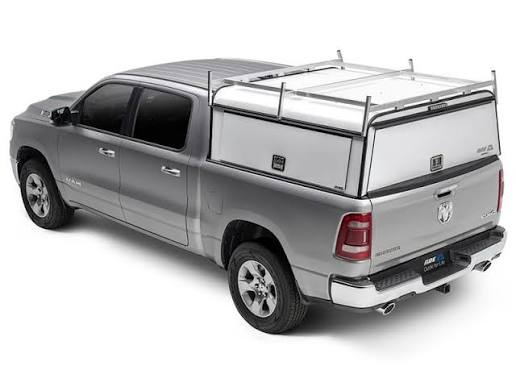
Our CX Series fiberglass topper delivers commercial-grade protection with a streamlined profile that complements modern truck styling. Constructed from compression-molded fiberglass reinforced plastic (FRP), this cap resists UV fade, impact, and extreme temperature swings while maintaining factory paint-match quality across all major OEM colors.
Weather seals run the full perimeter of the base rail, and reinforced aluminum framing anchors the cap securely to your truck bed without drilling into the bed surface. Dual side windows with tinted safety glass and a rear sliding window provide ventilation and interior visibility. The CX Series mounts with our proprietary clamp system that distributes load evenly across bed rails, protecting your truck's finish and resale value.
Construction & fit details
Fiberglass Shell Construction & Materials
We build every ARE fiberglass truck topper from compression-molded FRP, a composite material that bonds resin and woven fiberglass under high pressure to create a monolithic shell. This process eliminates weak seams and creates consistent wall thickness throughout the cap, delivering superior impact resistance compared to hand-laid fiberglass methods.
The outer gel coat is catalyzed with UV inhibitors that prevent chalking and color fade even after years of direct sun exposure. Paint-matched toppers receive a two-stage urethane topcoat applied in our controlled-environment booth, ensuring the cap’s color stays true to your truck’s factory finish. Because fiberglass does not conduct heat the way aluminum does, interior temperatures remain more stable in both summer heat and winter cold, protecting temperature-sensitive cargo and tools.
Weather Sealing & Water Protection
Our perimeter seal system uses continuous EPDM rubber extrusion that compresses against the truck bed rail when the cap is clamped down. Unlike foam tape seals that degrade and crack over time, EPDM rubber retains flexibility across a temperature range of -40°F to 140°F and resists ozone, sunlight, and chemical exposure.
All window frames feature dual-bead seals — one against the glass and one against the cap shell — creating redundant barriers against windblown rain. Rear door assemblies incorporate a stepped lip design that channels water away from the seal interface, and all fastener holes are sealed with butyl tape during assembly. We pressure-test every cap before it leaves our facility to verify zero leaks under simulated highway rain conditions.
Ventilation, Windows & Interior Access
Side Window Configurations
The CX Series includes dual sliding side windows as standard equipment, each with a tinted tempered glass panel that slides forward on an aluminum track. Sliding windows allow partial ventilation without fully opening the cap, useful when you need airflow but want to maintain security over exposed cargo.
Rear Access Options
Choose between a sliding rear window or a full lift-up rear glass hatch. Sliding rear windows open 60% of the aperture and lock in both open and closed positions. Lift-up hatches use gas struts to hold the glass panel at any angle, allowing easier loading of long items like ladders or lumber. Both rear glass options are defroster-prep compatible, with embedded heating element channels ready for aftermarket defroster installation.
More Fiberglass & Aluminum Cap Styles
Rated 4.8 by verified buyers
Common Questions About ARE Fiberglass Toppers
Fiberglass truck toppers offer superior insulation, quieter highway operation, and better paint-match durability compared to aluminum caps. Fiberglass does not conduct heat, so the interior stays cooler in summer and retains warmth better in winter. The material also absorbs road vibration rather than transmitting it, reducing rattles and wind noise at highway speeds.
Aluminum caps are typically lighter and may cost less, but they dent more easily and the painted finish is prone to chipping where the cap contacts the bed rail. Fiberglass shells flex slightly under impact and return to their original shape, whereas aluminum dents are permanent. For long-term durability and a factory-quality appearance, fiberglass is the preferred choice among contractors and fleet operators.
We manufacture caps for all major truck brands and bed lengths, including short bed (5.5–6 ft), standard bed (6.5–7 ft), and long bed (8 ft) configurations. Each cap is molded to match the exact bed rail profile and cab roofline of your truck's make, model, and year.
Before ordering, verify your truck's bed length by measuring from the inside of the closed tailgate to the inside of the bulkhead. Also confirm your cab style — regular cab, extended cab, or crew cab — since the cap's front profile must align with your cab's rear window angle. Our dealer network uses a fit guide database to cross-reference your truck's VIN with the correct cap model, ensuring a precise fit with no gaps or overhang.
Yes, our fiberglass toppers are compatible with aftermarket roof rack systems designed for truck caps. The fiberglass shell is reinforced internally with aluminum cross-members that provide mounting points for rack feet, and the gel coat surface is thick enough to accommodate through-bolted rack hardware without cracking.
We recommend using rack systems specifically rated for fiberglass caps, as these distribute weight across multiple mounting points rather than concentrating load in one area. Popular brands like Thule, Yakima, and TracRac offer truck-cap-specific racks with rubber-padded feet that won't scratch the finish. If you plan to carry heavy loads like kayaks, lumber, or HVAC equipment, choose a rack system rated for at least 150 pounds dynamic load to avoid stressing the cap's structure.
Wash your fiberglass topper with automotive car wash soap and a soft sponge or microfiber mitt every two to four weeks to remove road grime, tree sap, and insect residue. Avoid automatic car washes with stiff brushes, as these can scratch the gel coat or painted finish.
Twice a year, apply a polymer sealant or carnauba wax designed for automotive finishes to protect the surface from UV exposure and oxidation. Clean the rubber weather seals with a silicone-based conditioner to keep them flexible and prevent cracking. Inspect the window tracks and latch hardware quarterly, and apply a light spray lubricant to moving parts to ensure smooth operation. If you notice any chips or scratches in the gel coat, repair them promptly with a fiberglass gel coat repair kit to prevent moisture intrusion and further damage.
Every ARE fiberglass topper includes a limited lifetime warranty on the fiberglass shell and structural components against defects in materials and workmanship. The warranty covers cracking, delamination, and structural failure under normal use conditions, and it transfers to subsequent owners if you sell your truck.
Painted finishes carry a five-year warranty against fading, peeling, or chalking when the cap is properly maintained. Window glass, seals, and hardware are covered for three years from the date of purchase. The warranty requires that you follow our installation instructions and perform routine maintenance as outlined in the owner's manual. Damage caused by accidents, improper installation, or modifications not approved by ARE is not covered.
Yes, our clamp mounting system allows you to remove the topper without tools in about 20 minutes with two people. Loosen the clamp bolts from inside the bed, lift the cap straight up off the bed rails, and store it on a padded surface or wall-mount rack.
The cap weighs between 150 and 200 pounds depending on the model and window configuration, so you will need assistance to lift it safely without damaging the shell or scratching your truck. We sell storage dollies and wall-mount bracket kits that make seasonal removal and reinstallation easier if you regularly switch between capped and open-bed configurations. When reinstalling the cap, use the alignment marks you made during the original installation to ensure it sits square and level on the bed rails.
Our fiberglass caps feature stainless steel rotary latches on the rear door and side windows, and each latch cylinder accepts a keyed lock that matches your truck's ignition key or a separate key set. The latch hardware is concealed inside the door frame, making it difficult for thieves to pry or force the locks without causing visible damage.
For additional security, many customers install an aftermarket alarm system or motion sensor inside the cap that triggers the truck's factory alarm if someone attempts to break the glass. Tinted windows reduce visibility into the cargo area, deterring smash-and-grab theft. While no truck cap is completely theft-proof, a locked fiberglass topper with quality latch hardware provides a significant deterrent and keeps your tools and equipment out of sight when parked in public areas.